Case Study
Neutro.Bottle
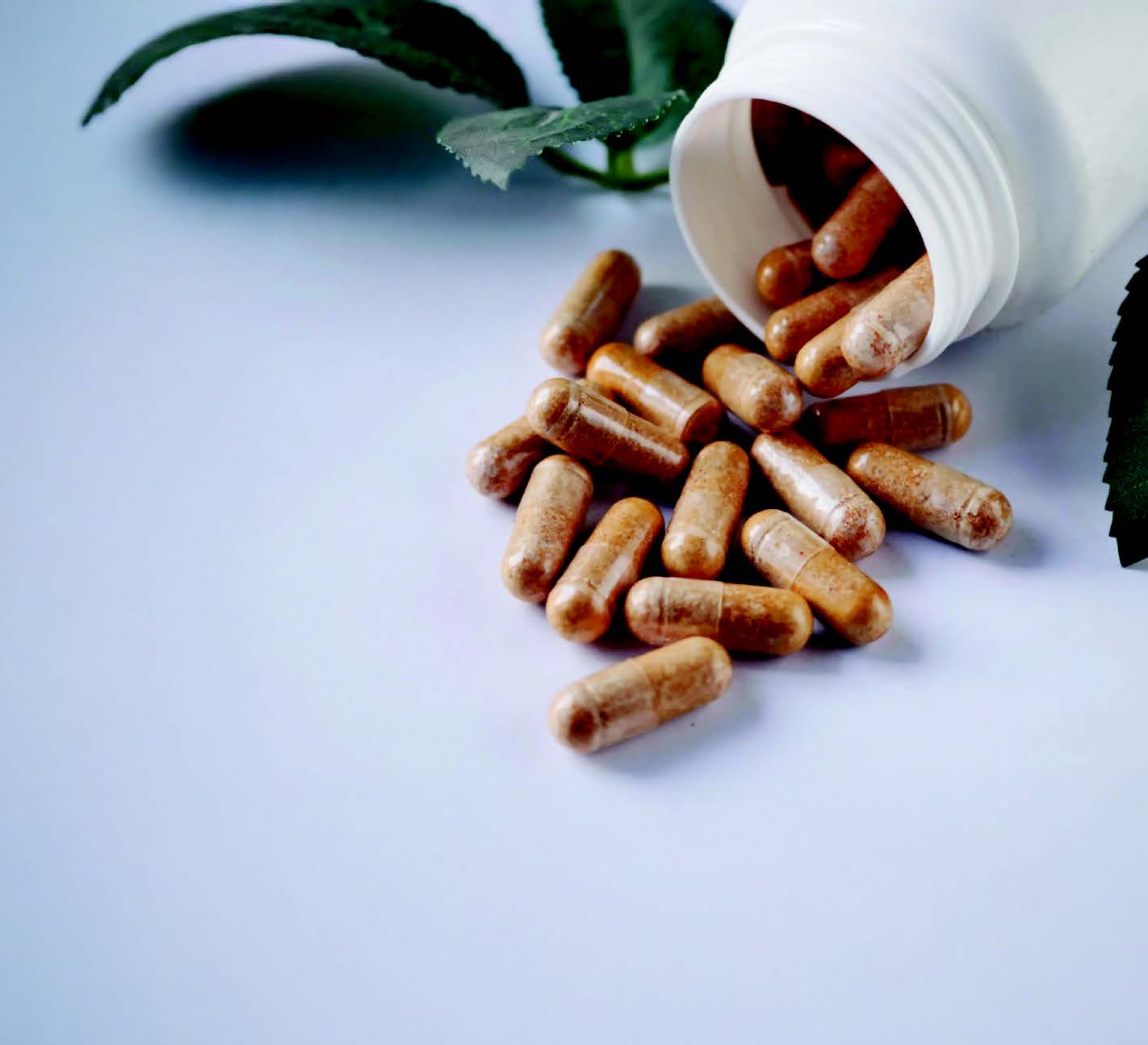
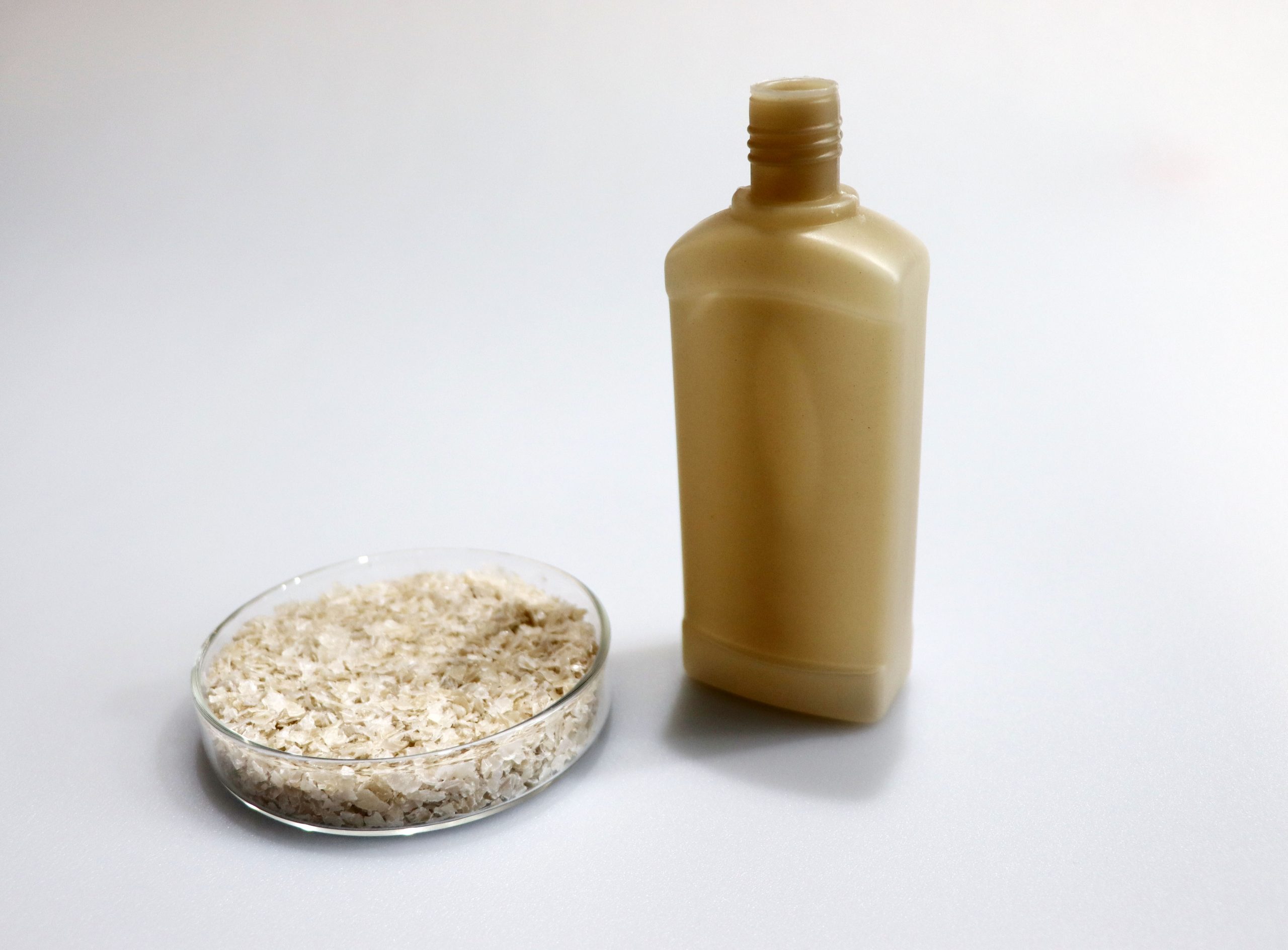
The Sustainable Plastics Mobilizing Agenda aims to: increase the circularity and efficiency of plastics; introduce materials with improved separation and recycling properties to the market; design and produce plastics and derivatives aligned with the needs of reuse, repair, and recycling; encourage reuse; use plastic waste as a resource at the end of product life; extend the lifespan of plastic items; innovate in terms of recycling and incorporate alternative raw materials.
This project intends to develop, test, and industrialize the manufacture of primary packaging for the health and food sectors, with food-grade and/or pharmaceutical-grade requirements. The final packaging will incorporate biopolymers and natural fillers/fibres, in order to reduce the percentage of petroleum-derived polymer.
The project includes the following objectives:
1. Development of a biomaterial incorporating biopolymer and natural fillers/fibres.
2. Implementation of this biomaterial in packaging for the pharmaceutical and food industries through co-extrusion-blow moulding and co-injection technologies. Reduce the percentage of fossil-based polymers in pharmaceutical/food packaging. Ensure that this new material does not affect the product being preserved.
3. Development of quality control technology for pharmaceutical packaging, using algorithms and artificial vision.
All these steps require several trials, tests, and validations of the drafts in the laboratory, and carrying out the necessary certifications. The introduction of biopolymers in these sectors is limited, and only with a complete consortium (materials, technologies, and products) can we aim for this objective.
It is expected that at the end of the project, there will be commercial food-grade and/or pharmaceutical-grade biopolymers, tested in co-extrusion-blow molding and co-injection technologies. The aim is to understand what percentage of these new materials can be incorporated into packaging in contact with food supplements and medicines, without altering the characteristics of the product being preserved.
At the end of the project, Neutroplast will have a new “Eco” packaging and intends to apply this know-how to its standard product ranges, as well as complement its new packaging development service with the option of using biomaterials.
An environmental impact assessment process will also be carried out for the manufactured products, using the company’s existing systems, supplemented with LCA tools, so that customers can incorporate this variable into their decision-making process.


Download project sheet.

