Are companies prepared for the circular transition, traceability, and energy efficiency to be achieved by 2030?
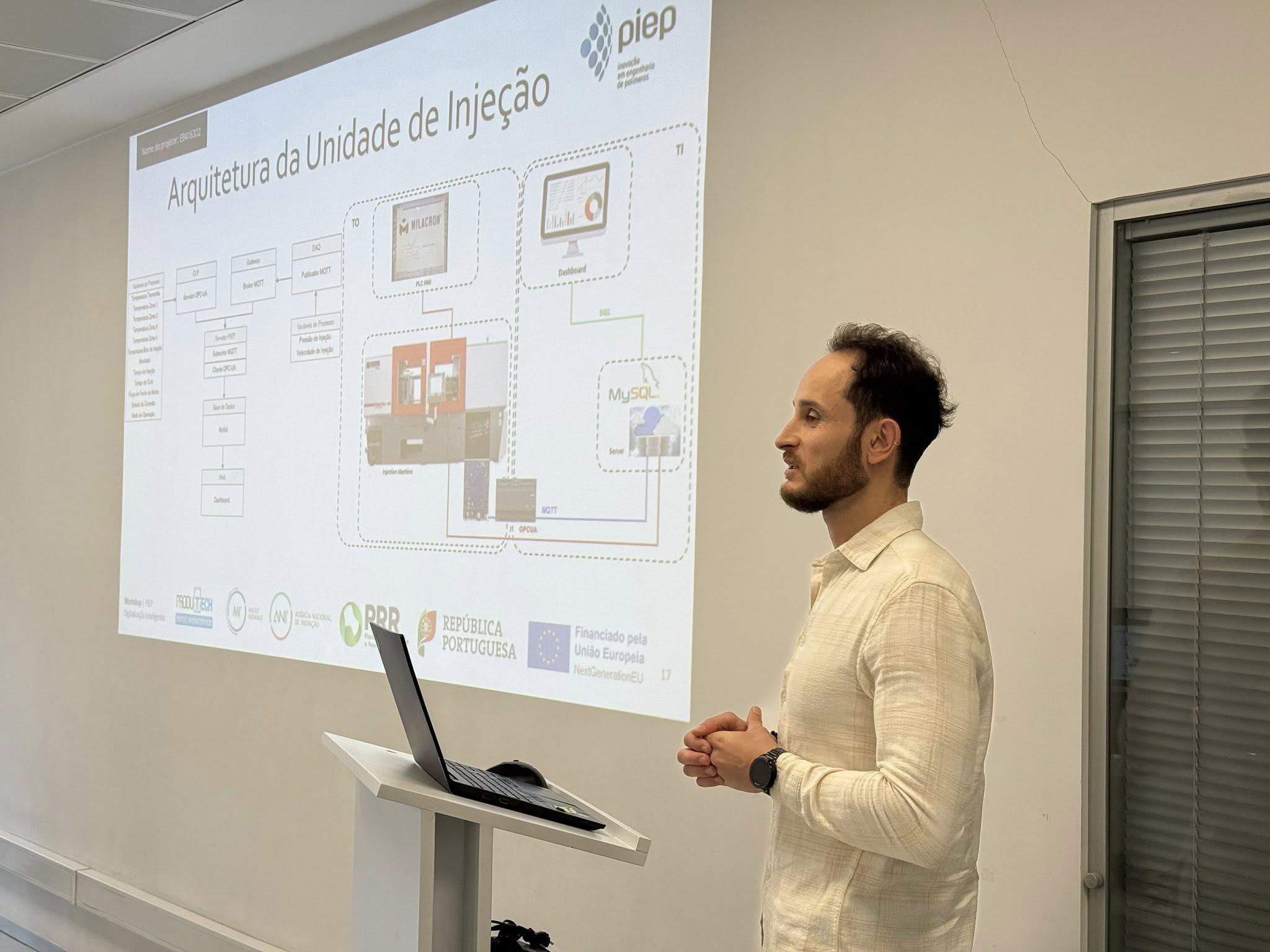
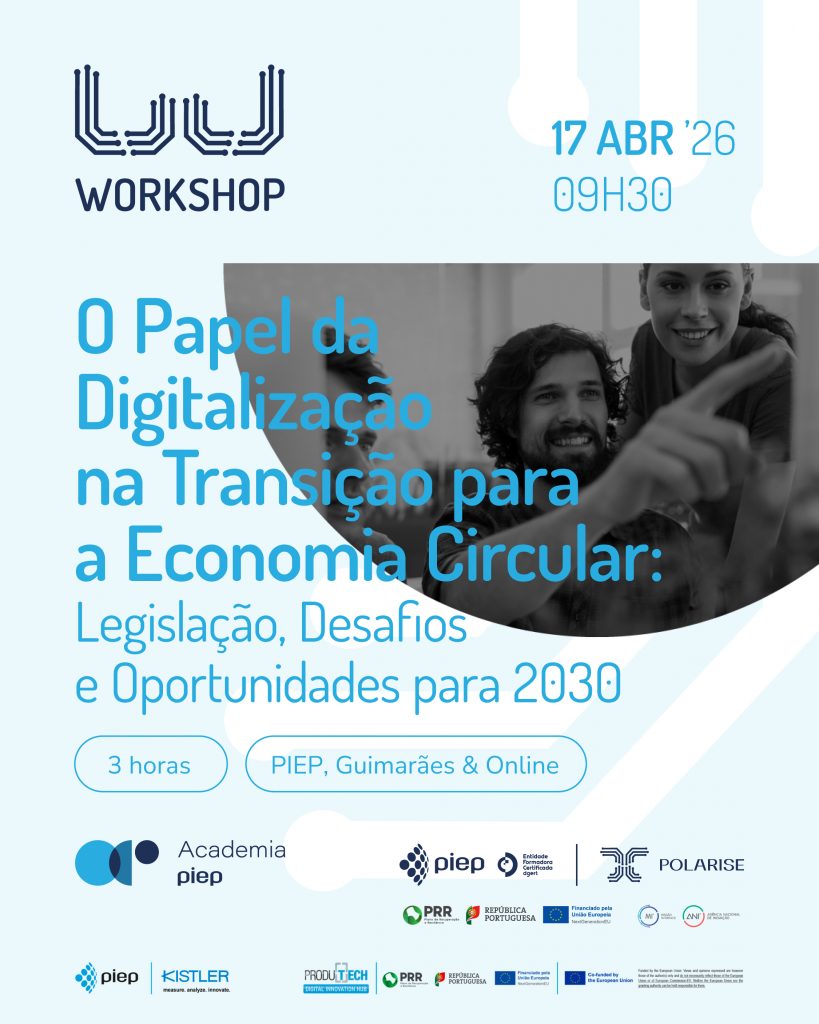
PIEP and Kistler, aware of the current challenges facing companies and the importance of innovation for economic growth and societal transformation, are holding the workshop “The Role of Digitalisation in the Transition to a Circular Economy: Legislation, Challenges and Opportunities for 2030,” where the role of digital technologies in meeting sustainability goals will be explored, with examples of how digital technologies such as sensor technology, IoT, artificial intelligence, and digital twins are transforming production models and materials management towards a more circular and sustainable future.
The workshop will take place at PIEP in Guimarães on April 17th, starting at 9:30 AM, and will be streamed online. This event will feature experts from PIEP and Kistler and will include presentations in both Portuguese and English. The workshop program includes technical sessions on digitalisation, measurement, data, and lifecycle efficiency, as well as theoretical sessions on the circular economy in Industry 4.0, digital twins, and artificial intelligence in process circularity, and a roundtable discussion dedicated to digitalisation as an engine of circularity.
The workshop, held as part of transformative projects developed by PIEP (such as the Polarise, Inov4Society, and Produtech DIH projects), is free to attend, but prior registration is required.
Throughout 2026, more workshops will be held on innovation in polymer and composite materials engineering.
In addition to the workshops, the PIEP ACADEMY portal offers, throughout the year, advanced training at the postgraduate and specialisation levels, customised and modular plans for companies, training certified by the Directorate-General for Employment and Labor Relations, exchanges with scientific centers and international universities, learning factories, webinars, open days, forums, and actions aimed at secondary and university education.

