Case Study
ECOTELEPOLES
Post-consumer plastics, due to their heterogeneity and contamination characteristics, represent the limit of recycling difficulties, which has greatly contributed to the high fraction of plastics deposited in landfills. This situation is a cause for concern; therefore, it is imperative to seek new solutions for the application of these wastes and their valorisation as raw material for high-value-added products.
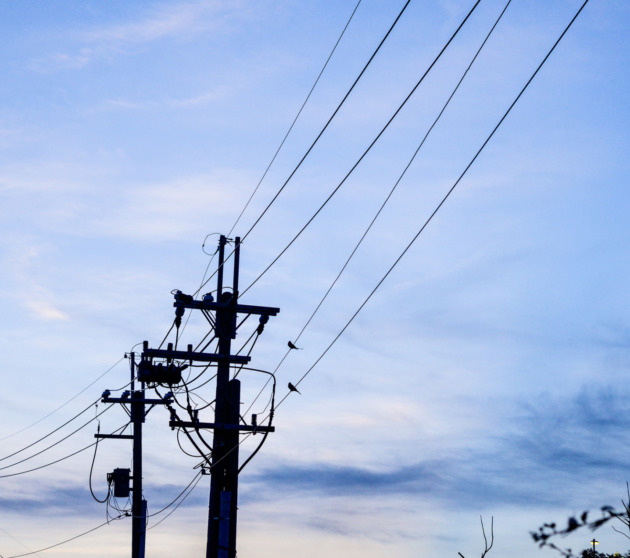
Currently, in Portugal and globally, there is a need to find solutions for telecommunications poles that are a viable alternative to replacing wooden telecommunications poles. Thus, the project aims to meet the needs listed through the valorisation of post-consumer plastics, mainly mixed plastics that are currently difficult to valorise, as raw material in high-value-added products, in the development of eco-sustainable telecommunications poles, mainly made of mixed plastics, which will be tested in a real-world operating scenario.
This solution aims to replace wooden telecommunications poles, developed from Maritime Pine (with a major limitation associated with the slow growth of these species), which are industrially treated in an autoclave under double vacuum and pressure, along with biocide, to increase their durability and prevent attacks by wood-boring agents (produced in Portugal). Given the type of production technology to be adopted for the large-scale development of this type of eco-sustainable product, within the scope of the project, Periplast will also develop fully automated equipment for Resifluxo to produce this type of product.


Download project sheet.

